


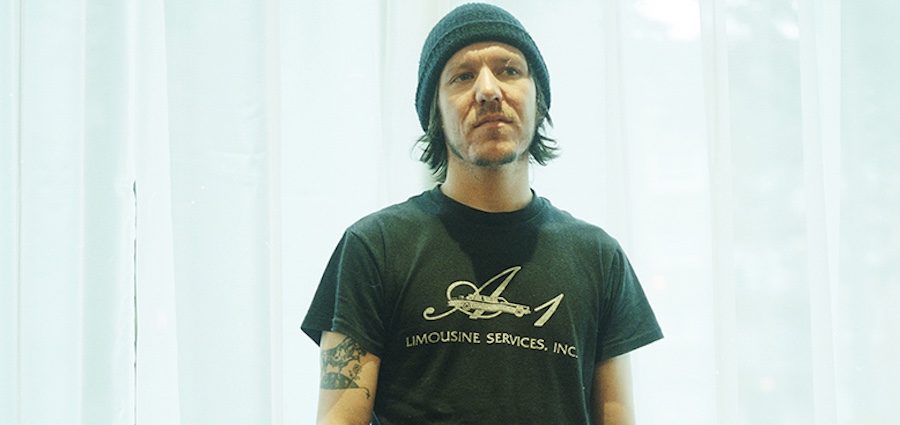
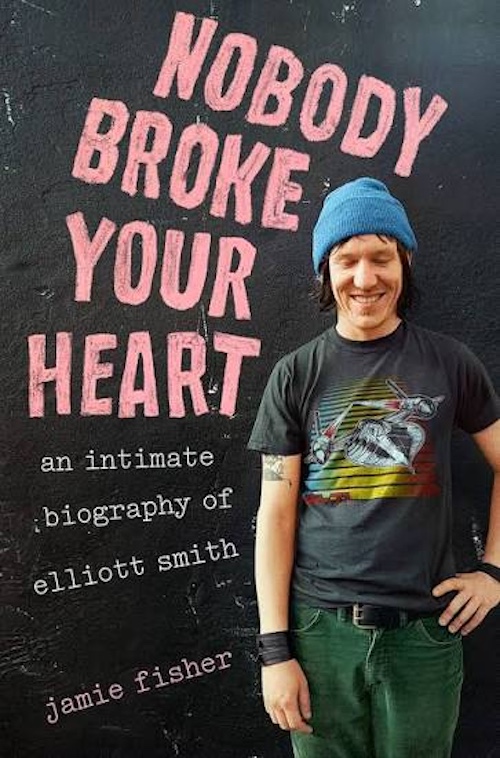
LOS ANGELES, CA. (THECOUNT) — Elliott Smith, the acclaimed singer-songwriter whose death from two chest stab wounds in 2003 was ruled undetermined, remains the subject of questions more than two decades later. The case, which unfolded in Los Angeles County’s Echo Park neighborhood, has drawn renewed attention following the release of journalist Jamie Fisher’s 2026 biography, Nobody Broke Your Heart: An Intimate Biography of Elliott Smith.
Smith, 34, died on October 21, 2003, after being found at his home with two penetrating stab wounds to the chest. One wound perforated his heart. Although early reports described the death as a possible suicide, the Los Angeles County coroner ultimately could not determine whether the injuries were self-inflicted or caused by another person.
Advertisement
The autopsy documented several circumstances the medical examiner described as atypical of suicide, including the absence of hesitation wounds, injuries that passed through clothing, and small cuts on Smith’s right arm and left hand that were considered possible defensive wounds.
Those findings have continued to fuel speculation about whether Smith took his own life or was killed. However, the autopsy did not establish that another person inflicted the wounds, and the unusual injury pattern alone cannot resolve the question.
Smith’s live-in girlfriend, Jennifer Chiba, told investigators that the couple had argued earlier that day. According to her account, she locked herself in the bathroom, heard a scream and then found Smith with a knife in his chest. She said she removed the knife and called 911.
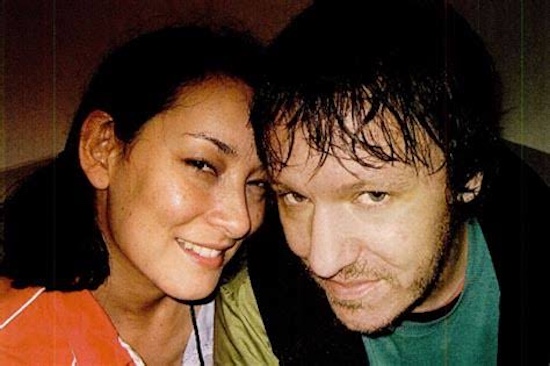
The coroner’s report raised concerns about the reported removal of the knife and Chiba’s subsequent refusal to speak further with detectives. The report also noted that the wounds’ location and direction were consistent with self-infliction, even as other circumstances raised the possibility of homicide.
Chiba’s account remains a central part of the publicly reported timeline. But the documented concerns do not establish that she caused Smith’s injuries, and no conclusion of homicide has been reached through the coroner’s ruling.
Investigators also documented a small note found at the scene that read, “I’m so sorry—love, Elliot God forgive me.” The coroner’s report reportedly misspelled Smith’s first name. The note has become another focus of online debate, but its wording does not independently establish how the fatal injuries occurred or who inflicted them.
Toxicology testing found no alcohol or illicit drugs in Smith’s system. Reports at the time said prescription medications were present at therapeutic or lower levels. Those findings offered information about his condition but did not determine whether the wounds were self-inflicted.
The official classification has remained undetermined in the public accounts of the case. That means the medical examiner could not establish whether Smith’s death was a suicide or a homicide; it does not mean investigators proved either explanation.
Fisher’s 2026 biography brought the circumstances of Smith’s death back into public discussion. The book draws on interviews with people who knew the musician and examines his life, relationships and music alongside the unresolved questions surrounding his final hours.
In an interview published by MAGNET on the 23rd anniversary of Smith’s death, Fisher discussed the difficulty of writing about the case without overstating what the evidence can establish. She described the circumstances as difficult to cover responsibly and said she did not want to pretend to know what could not be known.
Smith was best known for his intimate, melancholic songwriting and his Oscar-nominated song “Miss Misery,” featured in the 1997 film Good Will Hunting. His albums, including Either/Or, XO and Figure 8, helped establish his reputation as one of the most distinctive singer-songwriters of his generation.
His death has since become closely intertwined with public discussion of his music. Online posts and anniversary coverage frequently revisit the autopsy findings, the note and Chiba’s account, often framing the unresolved case as a question of whether Smith was murdered. Such discussion, however, is not new evidence and does not alter the official determination.
More than 23 years after Smith’s death, the central question remains unanswered in the public record. The autopsy identified circumstances that raised concerns while also noting that the wounds were consistent with self-infliction. Without conclusive evidence establishing how the injuries occurred, the official manner of death remains undetermined.
The death investigation centered on Smith’s former residence in Echo Park, within Los Angeles, Los Angeles County, and the wider Los Angeles metropolitan area. The address reported for the home was 1857 1/2 Lemoyne Street; the map link below is provided as a geographic reference to that reported location, not as a claim about where or how the fatal injuries occurred.
Google Maps: Reported former residence of Elliott Smith, Lemoyne Street, Los Angeles, CA
DEVELOPING::