


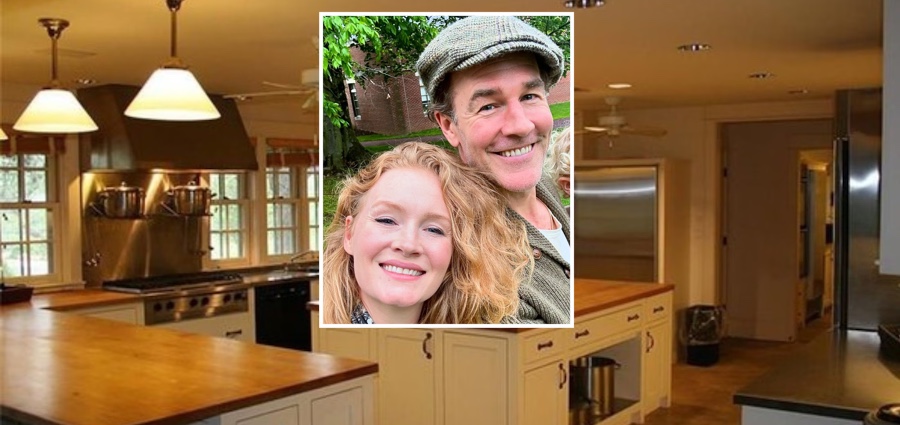
BEVERLY HILLS, CA. (THECOUNT) — The recent death of James Van Der Beek has prompted both an outpouring of support and a wave of online debate after it was revealed that his family launched a GoFundMe fundraising campaign weeks after purchasing a multimillion-dollar property.
According to publicly available property records, Van Der Beek purchased a ranch for approximately $4.76 million on January 9. The actor died on February 11. Following his passing, “friends of the family” established the GoFundMe seeking $1.5 million in donations. As of the most recent public totals, the campaign has topped $2.5 million.
|
Advertisement |
According to Realtor.com, the couple put up their Beverly Hills, CA, home as a rental property for $12,000 a month before moving to Texas. Their recently remodeled two-story Mediterranean was featured in Architectural Digest. The four-bedroom abode includes 3,134 square feet of living space, with a chef’s kitchen and an oversized living room. The backyard comes with a guesthouse, wood deck, pool, spa, and built-in barbecue. The property is valued at at least $4 million.
The 5,149-square-foot Texas ranch home features five bedrooms and three bathrooms. The main house comes with a commercial kitchen, balconies with sky and river views, an outdoor living space with a pool, and a tram to the river. The grounds include a barn perfect for throwing a party.
“Set on 36 acres, the spread is “more expansive” than their L.A. home and cheaper, to boot, with Kimberly revealing at the time of the move that their enormous home cost less than the amount they were paying to live in California: “I’ll tell you a secret: This cost less than it cost to live in Beverly Hills, realtor.com”
The fundraising page states that the money is intended to support the family during a difficult transition period. Campaign descriptions reference financial uncertainty, ongoing family needs, and long-term stability for the children. Specific details regarding estate liquidity, outstanding debts, medical costs, or financial planning arrangements have not been publicly disclosed.
Online reaction has been sharply divided. Supporters argue that crowdfunding is voluntary and that fans who wish to contribute are free to do so. They also note that large real estate purchases do not necessarily reflect available liquid assets, as properties may be financed through mortgages or other structured arrangements. Additionally, high-value property ownership does not automatically equate to immediate cash accessibility.
Critics, however, have questioned the optics of requesting public donations so soon after acquiring a multimillion-dollar ranch. Some have argued that the size of the recent purchase raises reasonable questions about financial need, while others have suggested that public figures may face greater scrutiny when turning to crowdfunding platforms.
Financial analysts commonly note that estate structures can be complex. Assets such as real estate, retirement accounts, trusts, and business holdings are often not immediately accessible following a death. Probate timelines, tax obligations, and outstanding liabilities can affect liquidity. Without access to private financial records, it is not possible to determine the Van Der Beek family’s precise financial position.
Crowdfunding for medical expenses, funeral costs, or transitional support has become increasingly common, including among public figures. Platforms such as GoFundMe operate on a voluntary donation model, and campaigns remain active unless removed by the organizer or the platform.
As of now, there have been no public statements indicating misuse of funds or violation of platform policies. The campaign remains live and continues to receive contributions.
The broader conversation highlights an ongoing societal debate about celebrity wealth, perceived financial stability, and the evolving role of crowdfunding in times of crisis. In the absence of detailed financial disclosures, much of the public discussion remains speculative.
At present, the verifiable facts are limited to the property purchase amount, the date of death, the GoFundMe fundraising goal, and the total funds raised. Further financial details regarding the estate have not been publicly released.
It should be noted that as a longtime film and television actor, Van Der Beek was a member of the professional entertainment industry, where many performers obtain health coverage through union plans such as the SAG-AFTRA Health Plan. Eligibility for such coverage is income-based and requires members to meet specific annual earnings thresholds from union-covered work. Health insurance through these plans typically covers qualifying medical expenses but does not automatically provide broad financial protection for estate obligations, mortgages, or long-term income replacement.
In addition to union health plans, organizations such as the Motion Picture & Television Fund (MPTF) operate as charitable safety nets for industry professionals. The MPTF can provide financial assistance, temporary housing support, and other aid to eligible members of the entertainment community. However, it is not a traditional insurance provider and does not replace private health coverage or eliminate estate-related financial responsibilities.
No public documentation has been released detailing Van Der Beek’s specific insurance status, estate structure, outstanding liabilities, or liquidity position. As a result, any conclusions regarding his family’s financial circumstances remain speculative.